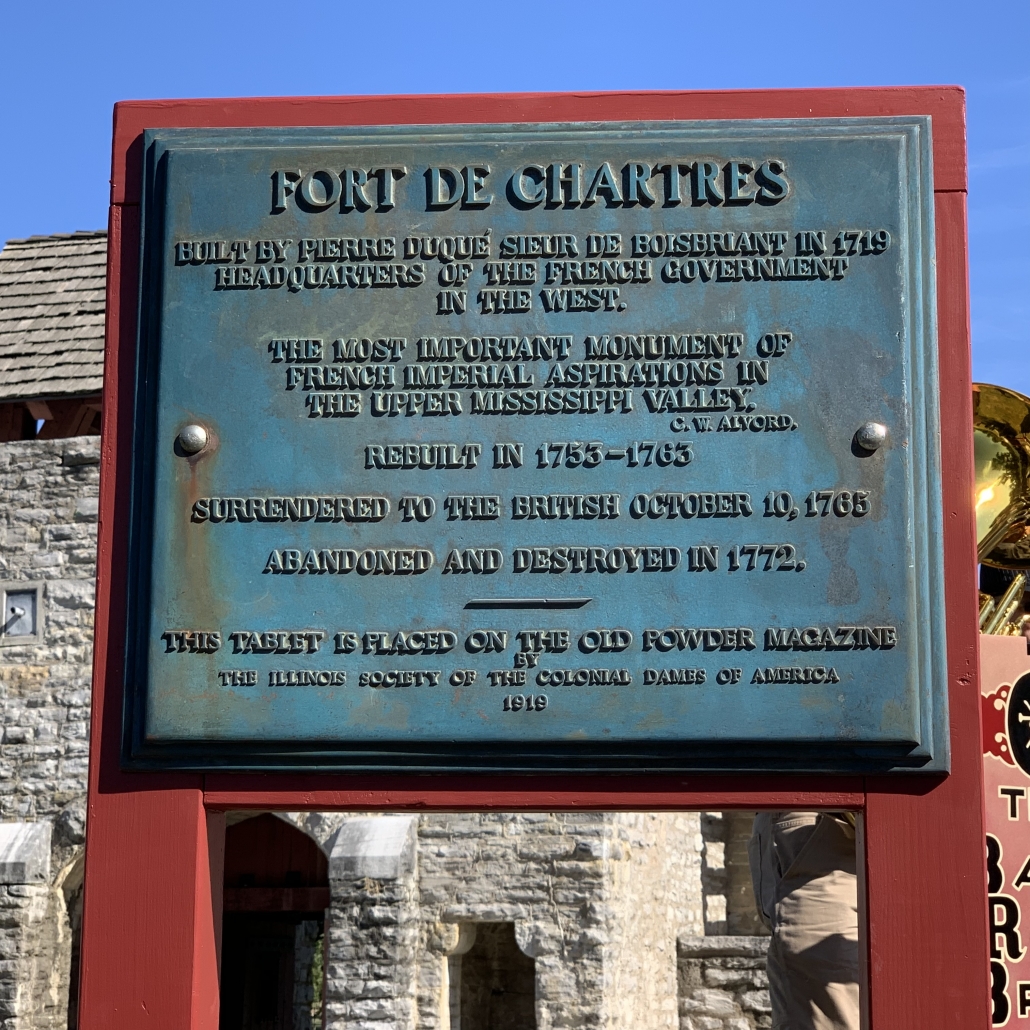


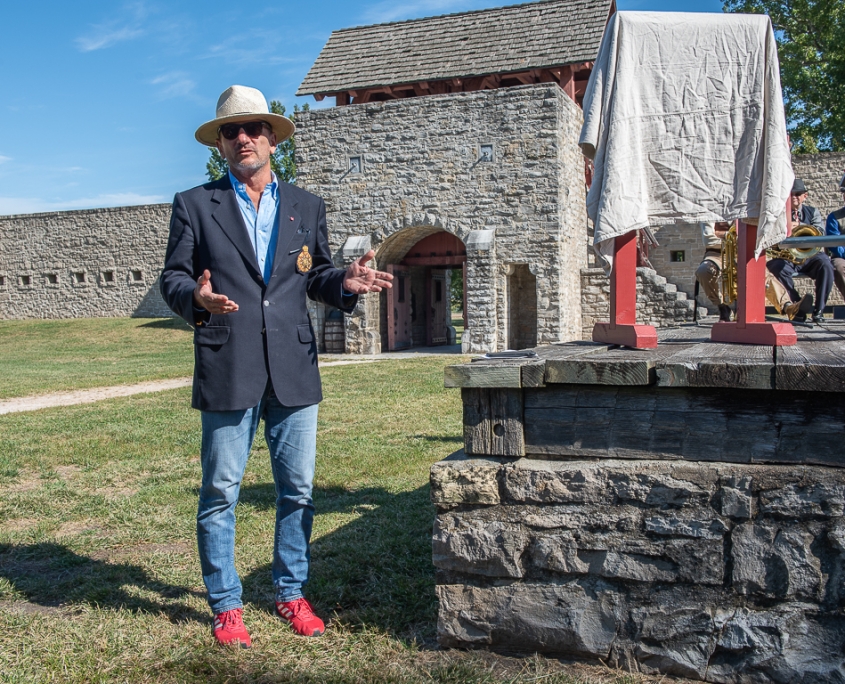
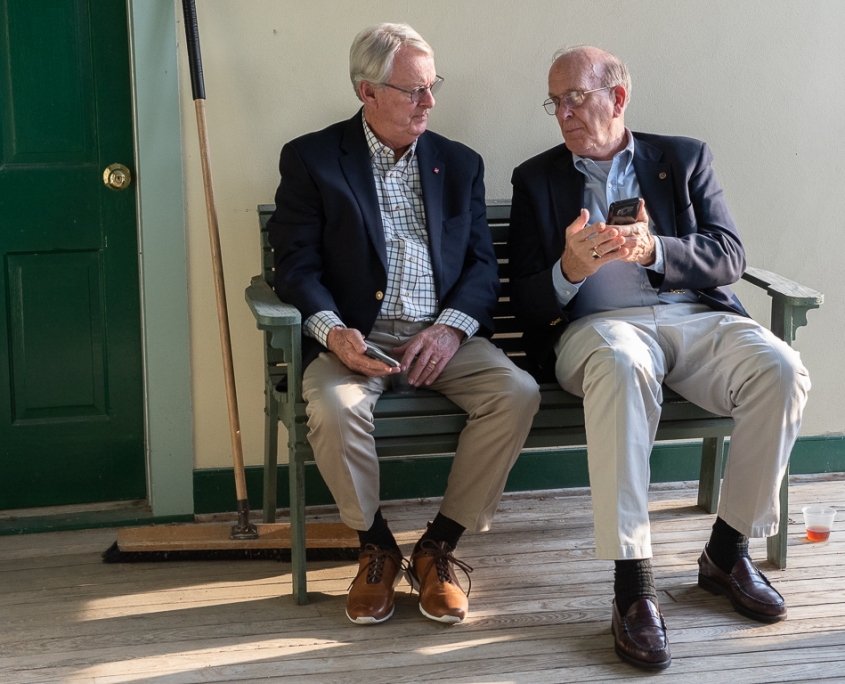
In October the Illinois Dames traveled, accompanied by a number of Illinois Warriors, to far downstate Illinois to attend a re-dedication ceremony of a plaque placed at Fort de Chartres in 1919. The trip was expanded to study more French Colonial era sites, specifically those of the Missouri Dames in Ste. Genevieve, MO. It became a very successful Dames-to-Dames trip!
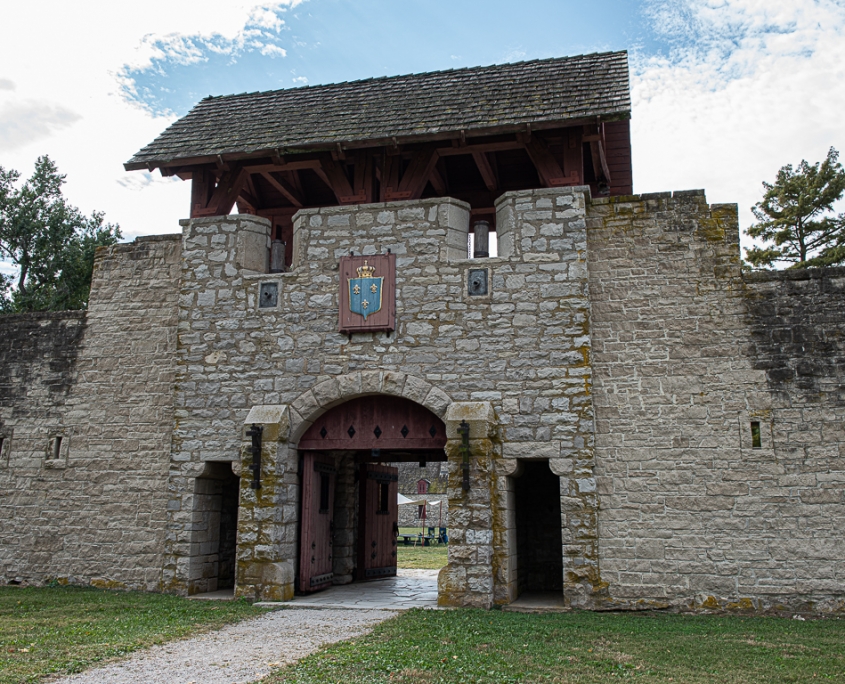
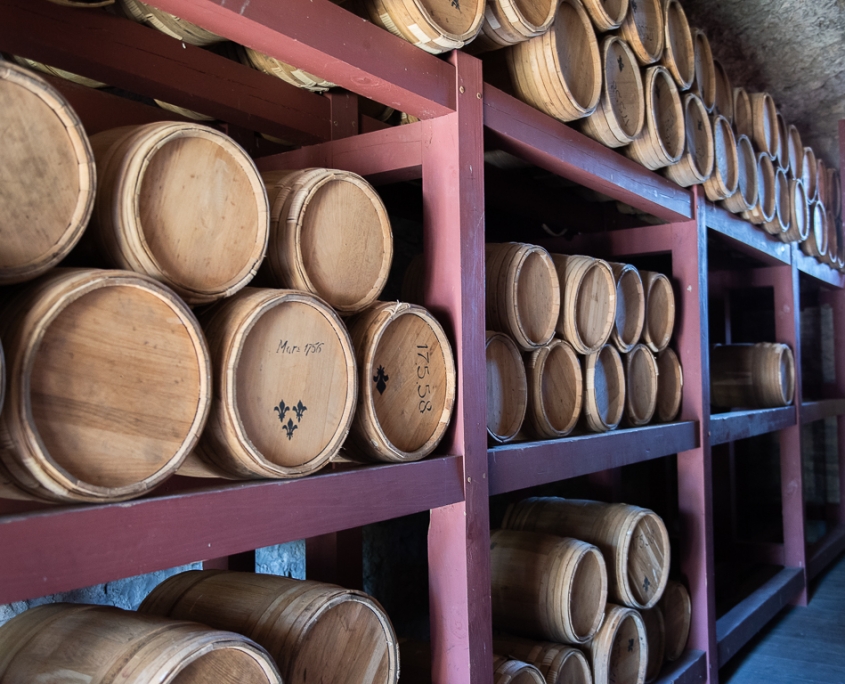
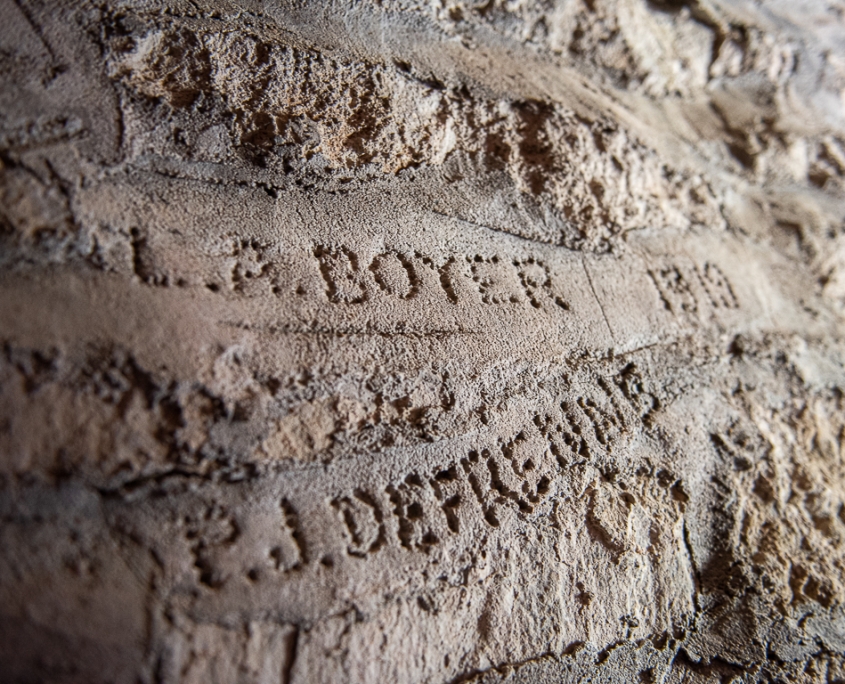
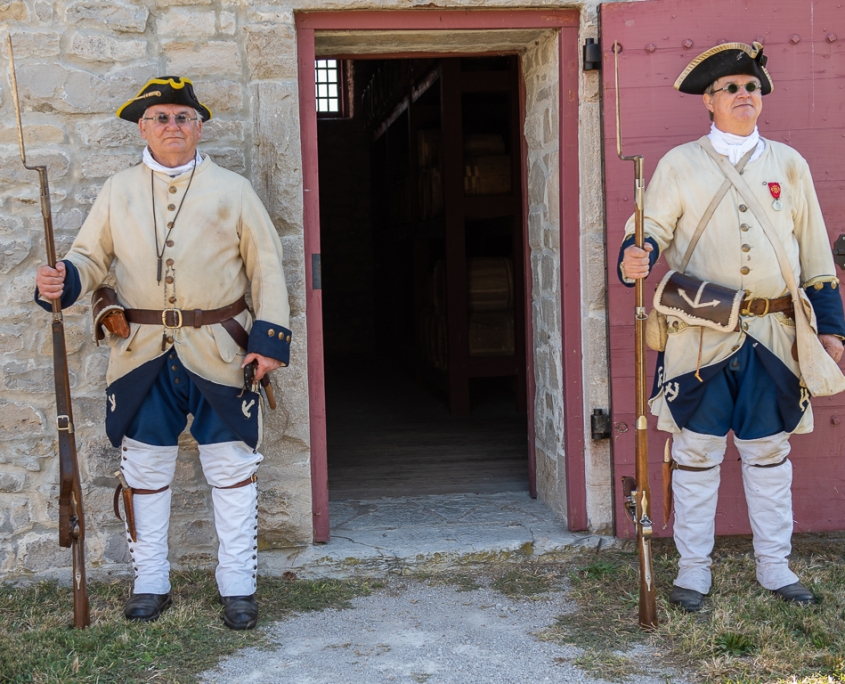
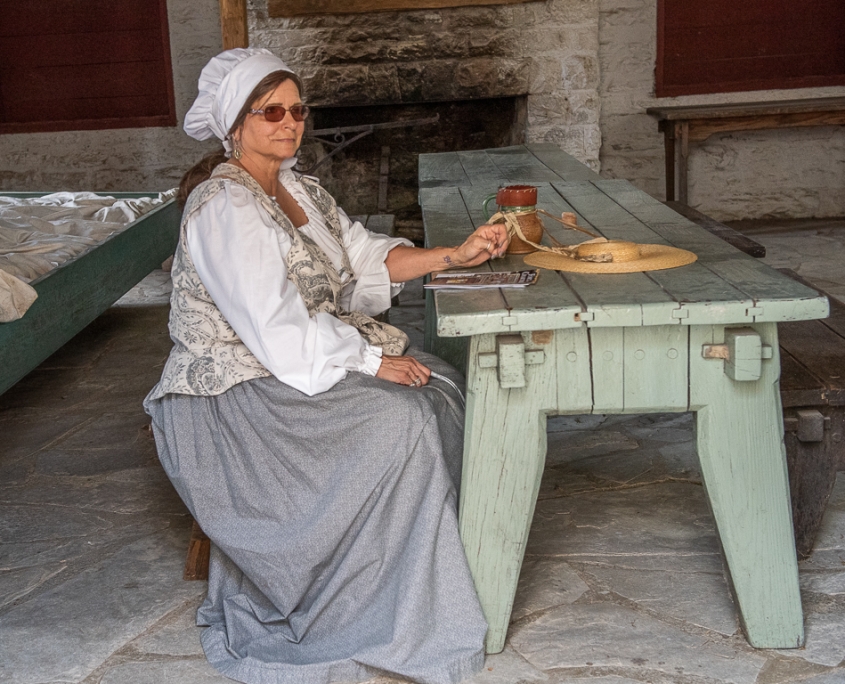
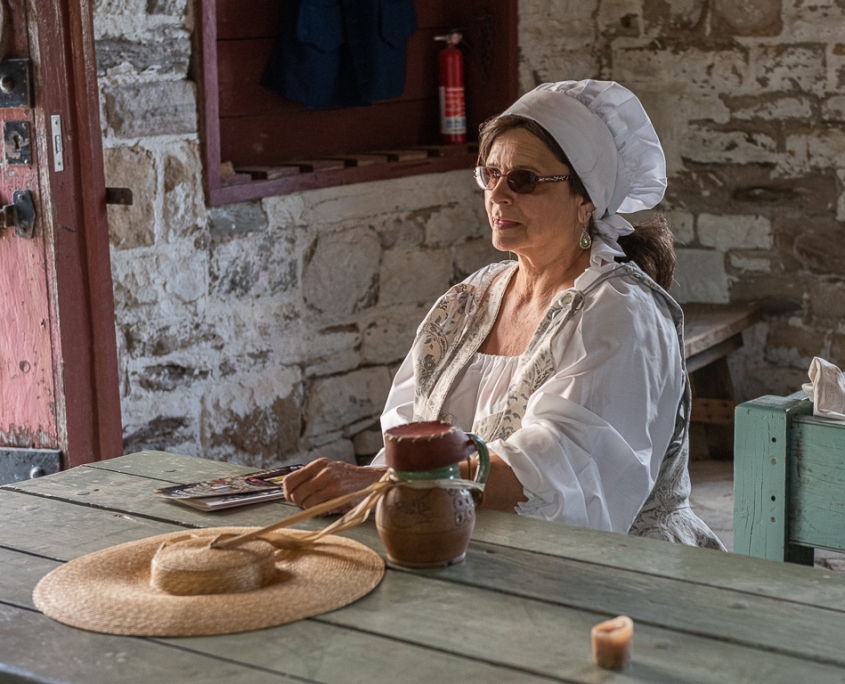
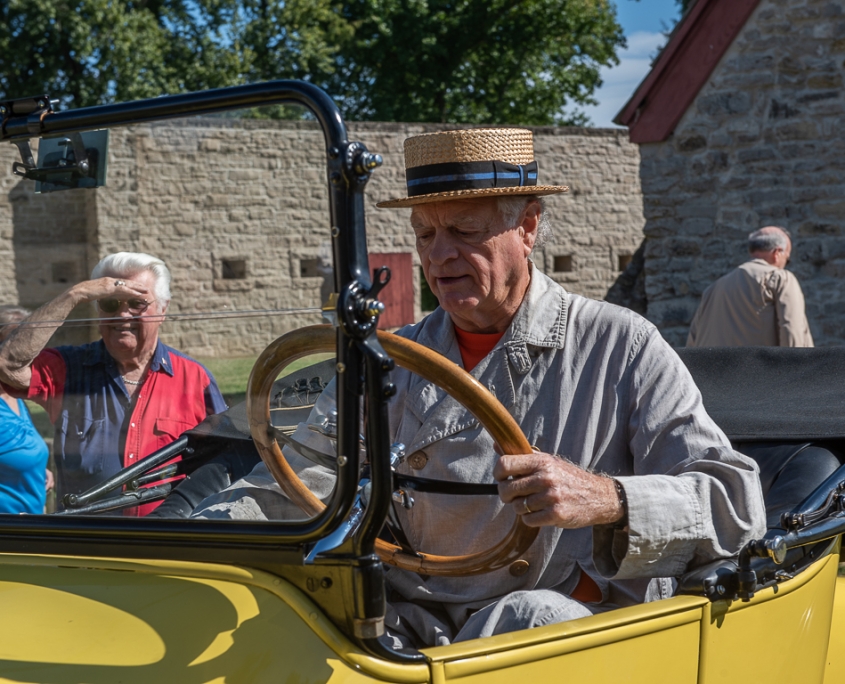
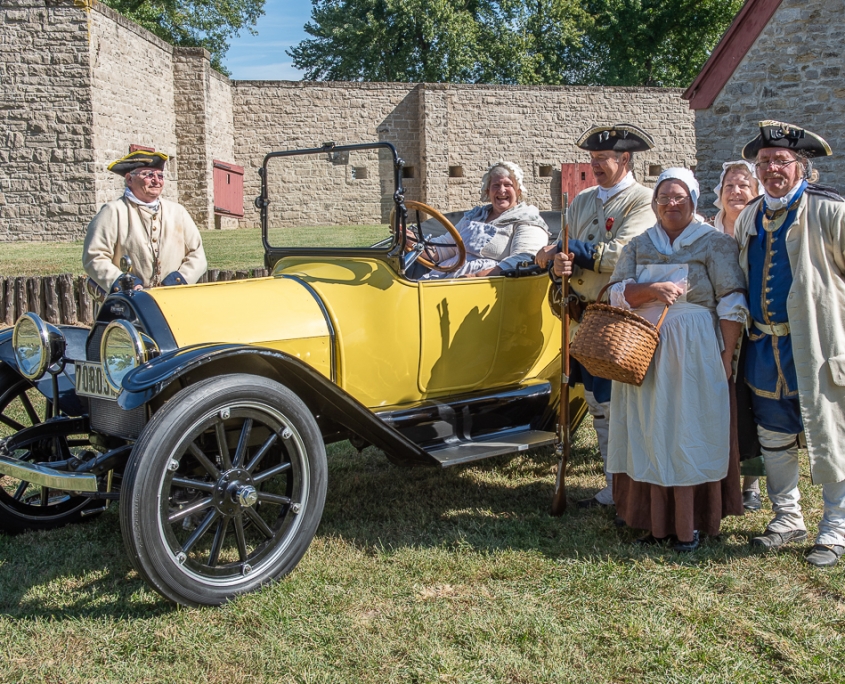
A century ago, in fall of 1919, the Illinois Society was very interested in our state’s French heritage, and demonstrated this by traveling by train, automobile and wagon to Fort de Chartres in downstate Illinois to place a plaque honoring the designation of the French colonial fort as a landmark. No shots were fired by garrisoned troops for a military purpose at that fort, but it was the symbol of France’s claim to the area and the hub of a very prosperous settlement, and a source of many materials in demand in New Orleans and France itself. Chief of these was the special hard wheat grown there, principal ingredient for perfect French bread. All that remained intact of the fort one hundred years ago was the powder magazine. Today the fort has been largely reconstructed and it is easy to imagine it as the hub of trading, and many re-enactments are held there each year. It is a special project of the Society of Colonial Wars in Illinois.
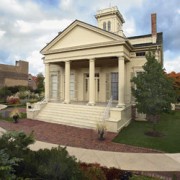
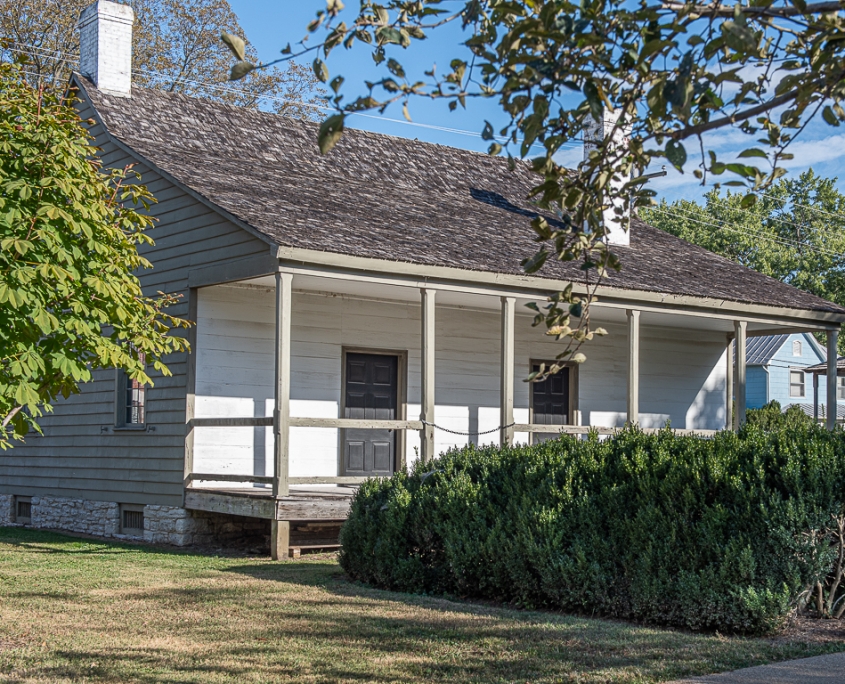
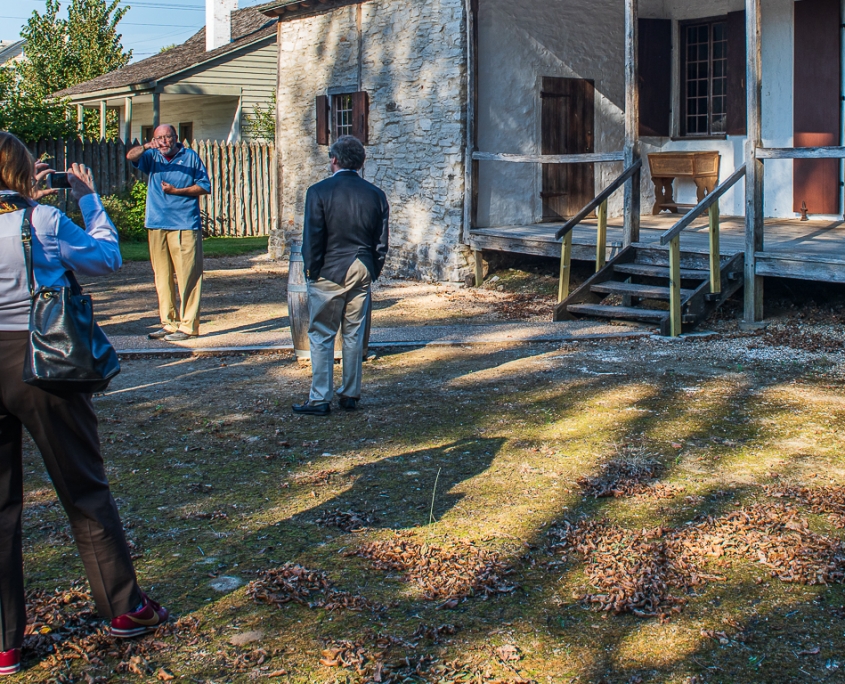
We were primed to appreciate this piece of American history, our French heritage, by a trip the previous day to visit the Missouri Dames’ headquarters and projects in Ste. Genevieve, MO, an hour south of the fort. Christy James, President, and Tandy Thompson, Historical Activities chair, accompanied by Geoff Giglierano, Exective Director of New France: The Other Colonial America, gave us an overview of their project and headquarters, the Centre for French Colonial Life and its exhibits, plus three of their five homes in the small town. First was the handsome Louis Bolduc house (1772), then the Bolduc-LeMeilleur House (1788). As a grand finale, we were entertained in the Jean Baptiste Valle House (1788), where a locally sourced pear brandy was a big hit. The French colonial period was brought to life by visiting these two fascinating historical sites. With this Historical Activity field trip, it has been resurrected for many of us. As a thank you gift, we gave the Centre for French Colonial Life most of our remaining copies of our classic publication, ‘Why Illinois was French’, which is still being sold in the museum gift shop.
This was a delightful field trip, where we traveled in comfort, unlike our Dames of a century earlier, stayed at charming restored hotels in Ste. Genevieve and dined at a gourmet country vineyard restaurant in Missouri wine country. We sincerely thank our own Historical Activities committee, led by Mary O’Hara, and Christy and Tandy of the Missouri Dames for all they did to make this a very special experience for the Illinois Dames.
Claudia S. Lane
President, NSCDA-IL

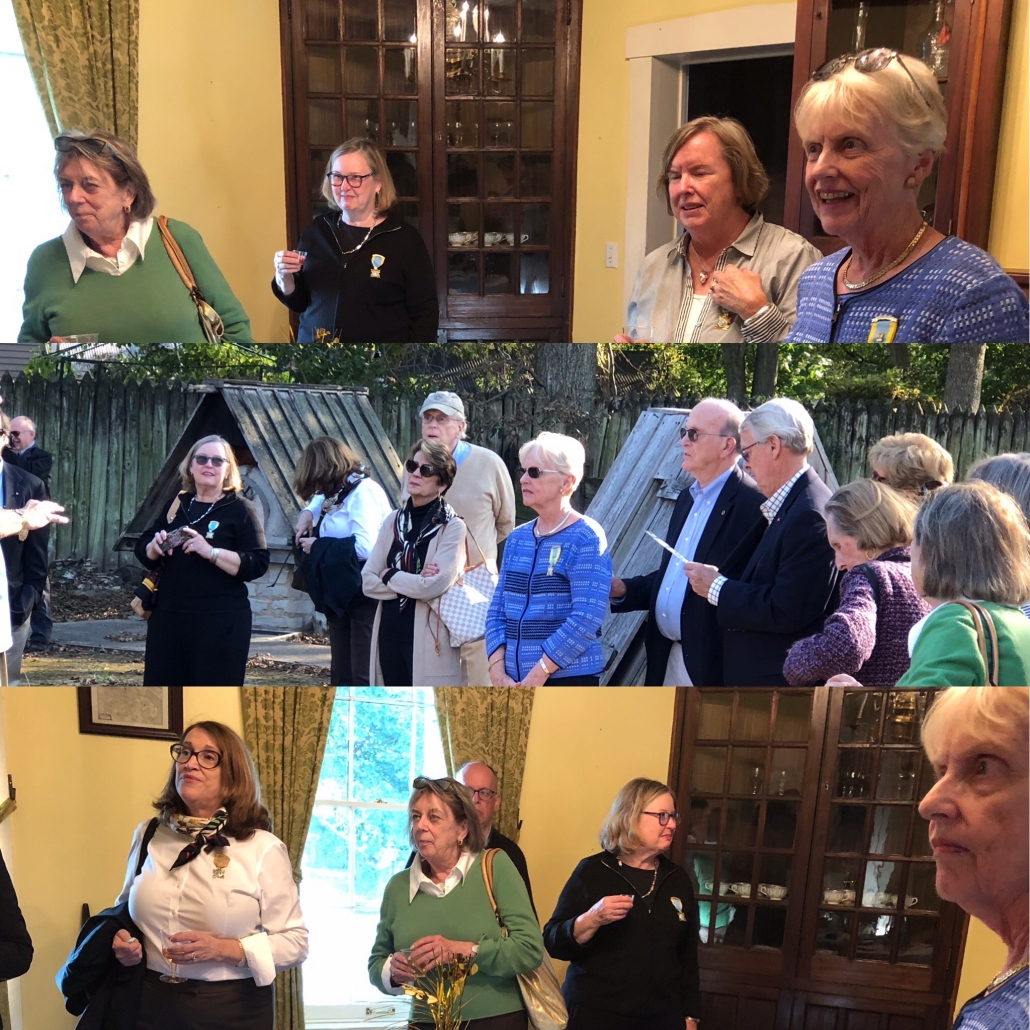
















Photos courtesy Gary Taylor
Illinois Society Commemorative Markers & Memorials
Over the years the NSCDA-IL’s Historical Activities Committee placed markers at special sites in Illinois.